PUBG turned nine this year, which in battle royale terms makes it roughly a fossil. The genre it invented has been rebuilt by Fortnite, Apex Legends and Warzone into something faster, more forgiving and more mechanically generous, and PUBG has spent the better part of a decade deciding how much of that it wants to chase. The 2026 build answers that question more clearly than any recent year: it is doubling down on the slow, punishing, information-starved version of battle royale that made it famous, while quietly admitting its biggest problem was never the moment-to-moment design.
The circle still does the thing nothing else does
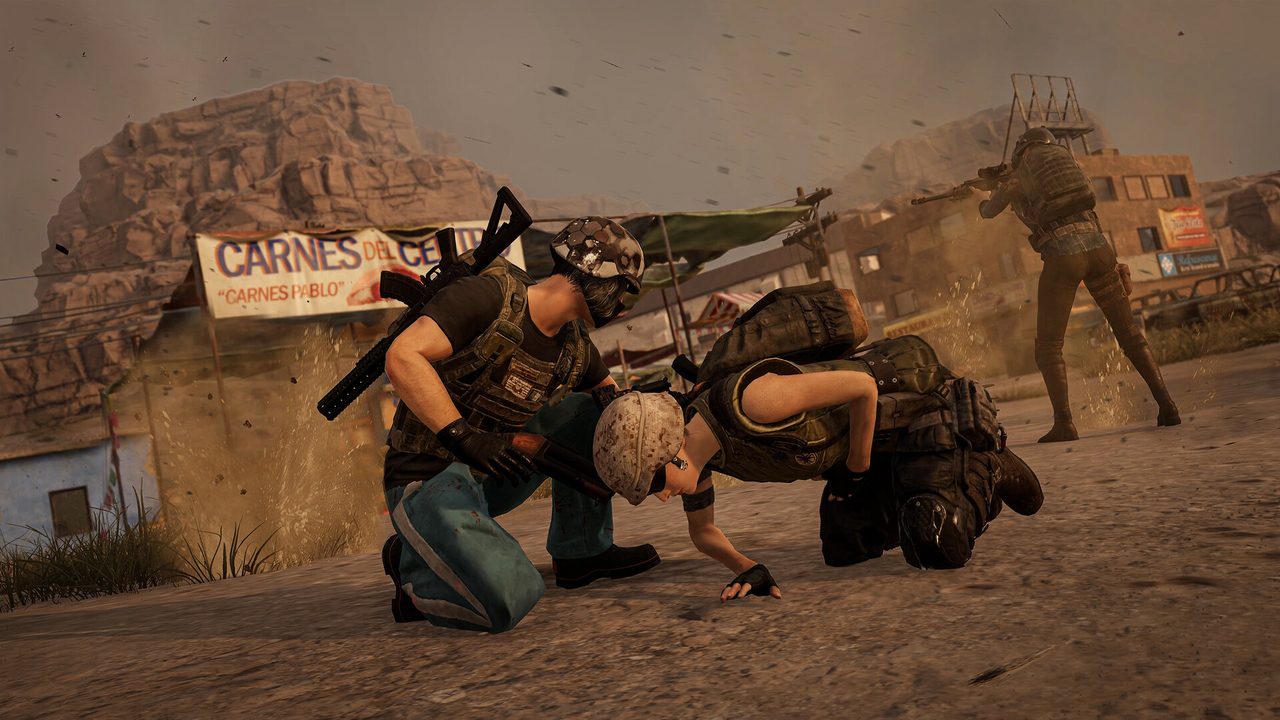
Sit in a bush on Erangel with eleven players left and the blue zone tightening, and PUBG still produces a specific, uncopyable dread. No regeneration shield to fall back on, no respawn beacon waiting if you get caught, just a slow crawl toward a compound you already know is occupied and a decision about whether to fight for a car or die walking. That tension is the entire pitch, and nine years on it still works, because KRAFTON has resisted flattening it into something more forgiving.
Erangel: Subzero was the biggest environmental swing of the last cycle, layering a destructible terrain system onto the original map so that walls, floors and cover can be blown open mid-fight. It is not full Battlefield-style demolition, but it is enough to change how you hold a building: a squad that would have camped a brick house safely now has to think about someone putting a rocket through the wall instead of the door. The 2026 roadmap promises this system expands further this year, deepening what 2025 introduced rather than starting over again, which after years of PUBG adding features and abandoning them is a genuinely welcome change in direction.
The circle still produces the best tension in the genre. The queue in front of it is where the game keeps losing people.
Update 42.2 added Basic Training, a proper new-player onboarding mode that walks first-timers through looting, gunplay and circle rotation before dumping them into a hundred-player lobby against people with nine years of muscle memory. PUBG has needed this since roughly launch. New players historically bounced off the game inside their first three matches because nothing in the base game explained why they kept dying to someone they never saw. Basic Training does not fix the skill gap, but it at least explains the rules before the gap swallows you.
The anti-cheat problem is the real review
Here is the number that matters more than any map update: KRAFTON banned approximately 260,000 DMA-based cheaters in 2025. DMA cheating, which uses external hardware to read game memory directly and functionally defeats most software-based anti-cheat, has been PUBG’s specific plague for years in a way it has not been for competitors running more locked-down anti-cheat stacks. The 2026 roadmap lays out a three-pillar plan, better detection, smarter prevention, and harsher treatment of repeat offenders, with AI-assisted video review for suspicious behavior patterns arriving as part of it.
That plan is credible on paper. It is also, as of this review, mostly still a roadmap. The screening refinements were slated for the first half of the year, and the more consequential false-ban review overhaul is scheduled for the second half, which means the version of PUBG you are playing right now is still operating on the old detection stack for a few more months. KRAFTON says the AI validation work already cut ban appeals by more than 40 percent, which suggests fewer wrongly banned legitimate players, but it does not by itself tell you how many DMA cheaters are still active in a given lobby today.
What actually got better
- Console players benefit most from this cycle. The current-gen transition freed up headroom the team has spent on frame rate rather than new cosmetics, and matches on PS5 and Series X noticeably hold a higher sustained frame rate than they did two years ago.
- Ranked’s medal system now tracks individual playstyle, weapon preference and map favorites rather than a single blunt MMR number, which gives competitive players more to actually chase.
- The 24-hour Steam concurrent peak sits around 732,000 players, still the second most-played game on the platform, which for a nine-year-old paid-conversion-to-free-to-play title is a real number, not a nostalgia figure.
The verdict
PUBG in its ninth year is a game that knows exactly what it is and has stopped chasing what it isn’t. The circle-and-loot tension remains genuinely singular, the destructible terrain work on Erangel is the most meaningful map change in years, and Basic Training should have existed since 2018. None of that changes the fact that the single biggest determinant of whether a match feels fair is whether the specific lobby you landed in has a DMA cheater in it, and in 2026 that is still a real coin flip rather than a solved problem.